Instrumentation Design Package
Introduction
From initial P&ID analysis to final I/O mapping, this instrumentation package represents a complete technical study of the field layer. It covers the full lifecycle of industrial measurement: selecting the right sensing technology, designing the electrical hook-ups, and ensuring seamless communication with the control room to drive automated process excellence.
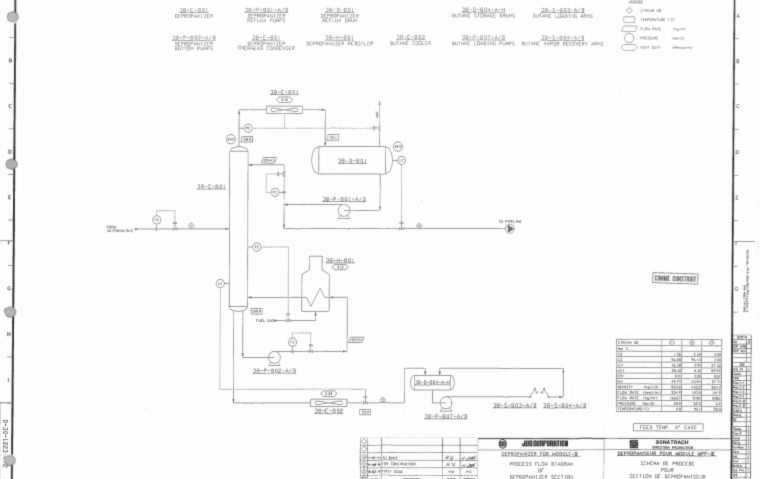
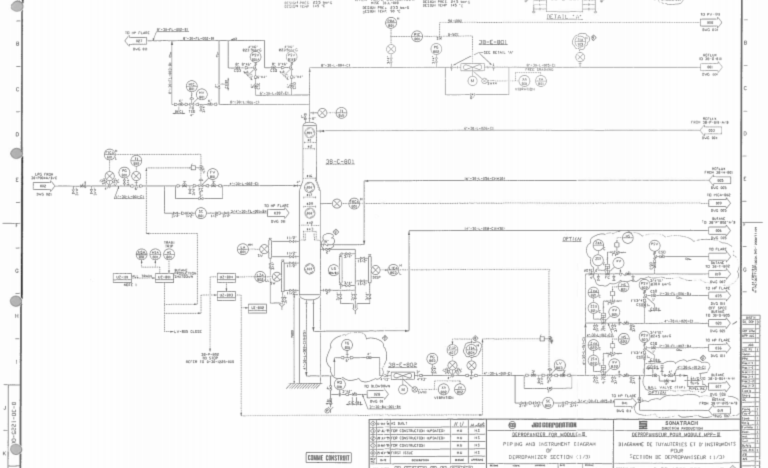
P&ID and PFD (Depropanizer unit):
Document A: Process Flow Diagram (PFD) This drawing provides a high-level overview of the 38-C801 Depropanizer process. It illustrates the main equipment—including the column, reboiler (38-H801), and overhead drum—alongside the primary fluid paths and mass balance data essential for understanding the separation of Propane and Butane.
Document B: Piping & Instrumentation Diagram (P&ID) This is the detailed "technical map" of the unit. It defines every physical component required for automation, including specific tag numbers for sensors, control valves, and safety interlocks. It serves as the primary reference for I/O mapping and logic configuration within the Yokogawa DCS.
Document A
Document B
The Instrument Selection
Sensing Technology:
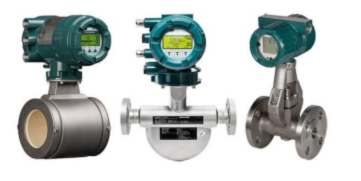
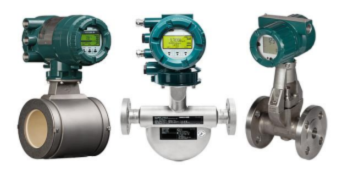
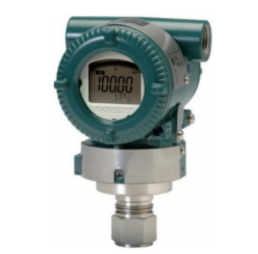
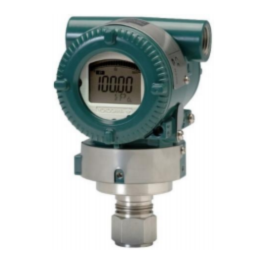
PT: Pressure Transmitter
The primary sensor for monitoring vessel integrity and separation efficiency. In the 38-C801 Column, PTs ensure the internal pressure is maintained at the specific setpoint (e.g., 20 bar) required for the LPG phase change. They act as the first line of defense against overpressure scenarios.
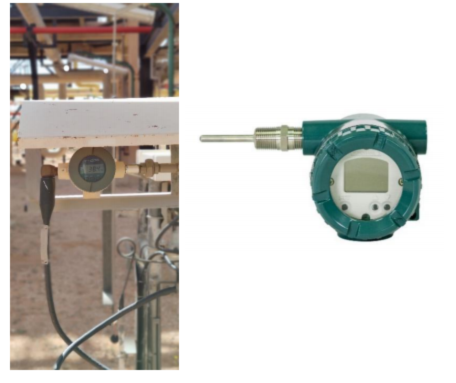
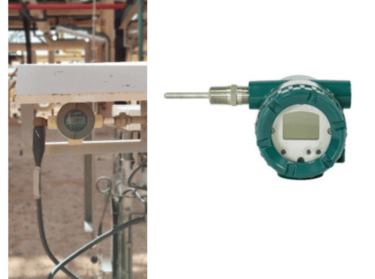
TT: Temperature Transmitter
Essential for controlling the distillation quality. By monitoring the thermal profile of the Reboiler (H801) and the column trays, TTs provide the data needed to adjust fuel gas flow. They ensure the process stays within the critical 85°C – 95°C range for optimal propane/butane separation.
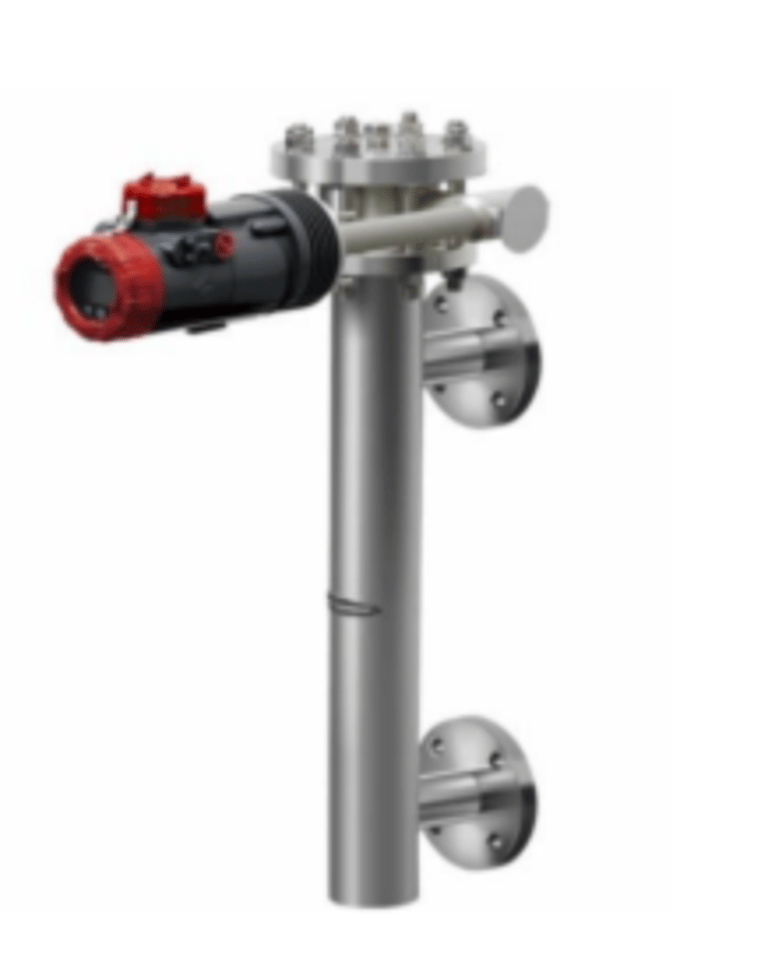
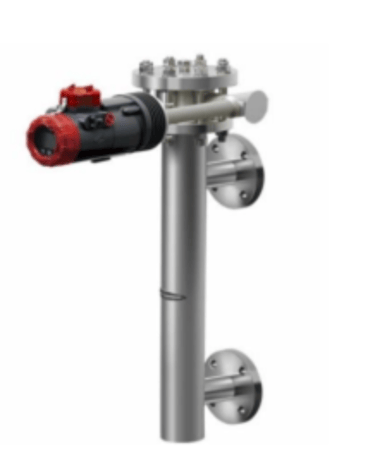
LT: Level Transmitter
The "eye" inside the vessels. LTs monitor the liquid accumulation in the 38-D801 Drum and the column bottom. This data is critical for synchronized pump control (P801/P802), preventing both "dry-run" damage to pumps and hazardous vessel flooding.
FT: Flow Transmitter
The primary tool for mass balance and throughput control. FTs measure the rate of LPG feed, reflux, and final product discharge. This data allows the CENTUM VP to calculate the efficiency of the unit and ensures that the "On-Spec" product meets the required flow volume.
Final Control Elements:
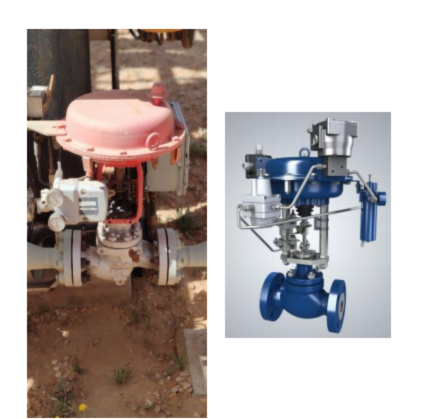
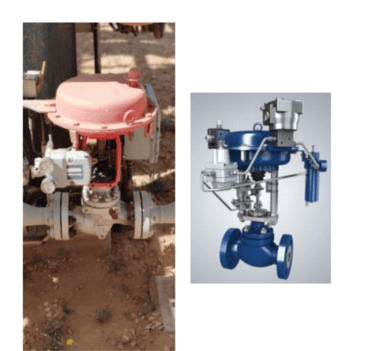
Control Valves (CV)
The "muscles" of the process. These valves modulate the flow of gas or liquid to maintain the setpoints calculated by your CENTUM VP controllers. By adjusting the opening based on a 4-20mA signal, they regulate the heat in the reboiler or the pressure in the column. They are the key to process stability and "On-Spec" production.
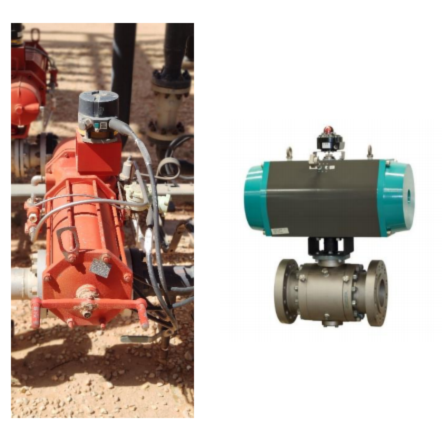
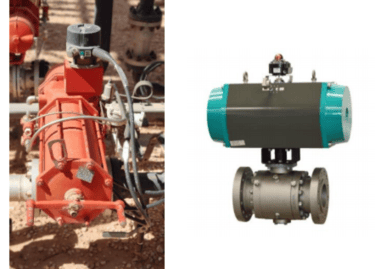
Safety Valves (XV/ESD)
The "guardians" of the installation. Unlike control valves that modulate, these are "on/off" devices designed for rapid, full-stroke action. Integrated with the ProSafe-RS system, they isolate the unit instantly during an emergency. Whether it's cutting fuel to a burner or blocking the LPG feed, their priority is the immediate transition to a fail-safe state.
Material Selection
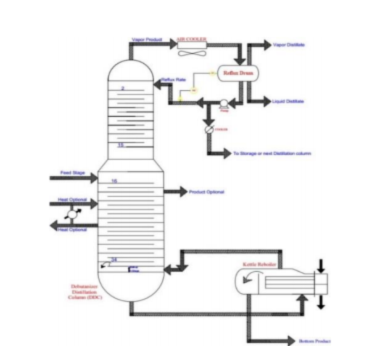
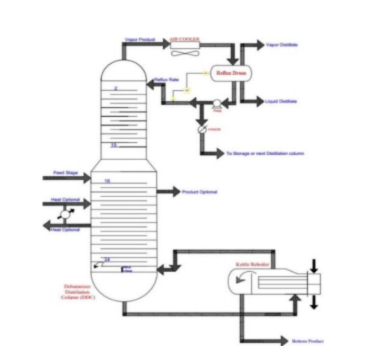
The Depropanizer Unit
The complete industrial system designed for the high-precision separation of Liquefied Petroleum Gas (LPG). It integrates thermal energy, pressure control, and chemical distillation to refine raw feed into commercial-grade Propane and Butane. It is the heart of the LPG treatment train.
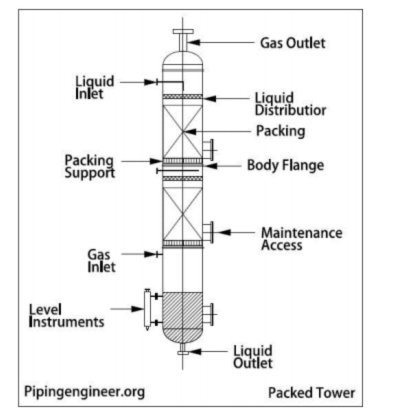
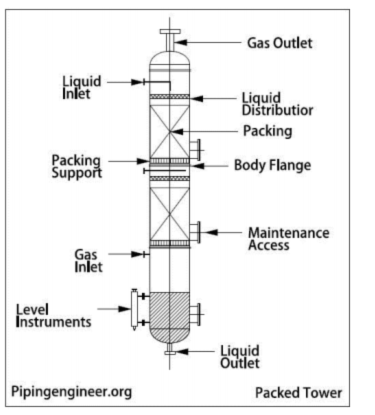
Depropanizer Distillation Column (38-C801)
The primary pressurized vessel where the actual separation occurs. Utilizing the difference in boiling points, it allows lighter propane vapors to rise to the top while heavier butane liquids settle at the bottom. Its operation is the critical focus of all PID control loops.
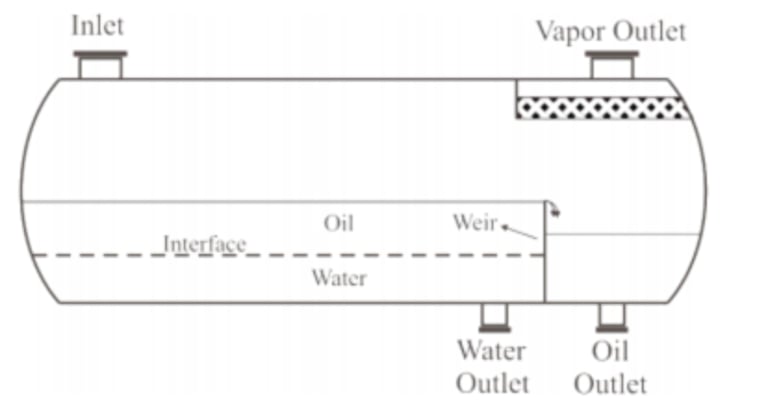
Depropanizer Reflux Drum (38-D801)
The primary separation vessel for the overhead stream. It acts as a buffer tank where condensed propane vapors are collected. The drum allows for the separation of non-condensable gases from the liquid product and provides the necessary suction head for the reflux pump (38-P801). Its level control is vital for maintaining the internal mass balance of the entire column. vessel flooding.
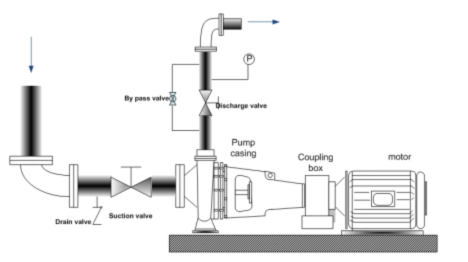
Process Pumps (38-P801 / 38-P802)
The "circulatory system" of the unit. These pumps manage the Reflux (P801)—returning condensed liquid to the top of the column to improve purity—and the Reboiler Circulation (P802), which ensures the continuous movement of fluid through the heating section to maintain the thermal balance..
Reboiler (38-H801)
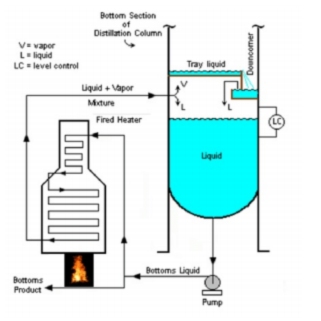
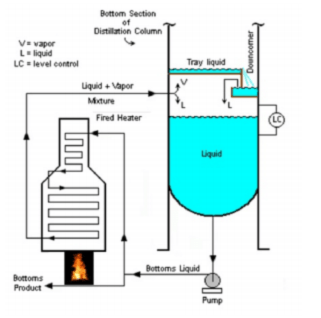
The "engine" that drives the separation. This heat exchanger (furnace) provides the necessary thermal energy to vaporize the bottom product. Its control logic is the most complex part of the unit, requiring a dedicated Burner Management System (BMS) to regulate fuel gas and ensure safe combustion.
Process Cooler / Heat Exchanger (38-E801 / 38-E802)
The thermal management interface for the unit.
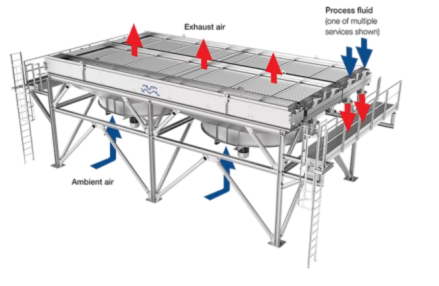
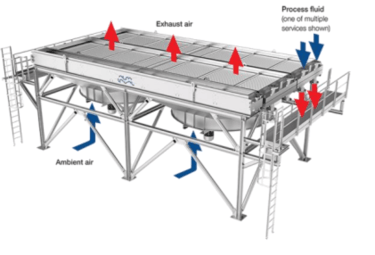
Overhead Condenser (38-E801): Uses cooling medium to transition propane from a high-temperature vapor to a liquid state before it enters the Reflux Drum.
Butane Cooler (38-E802): Reduces the temperature of the bottom product to safe storage levels. These heat exchangers are essential for controlling the phase changes required for precise chemical separation.
I/O Configuration & Signal Mapping
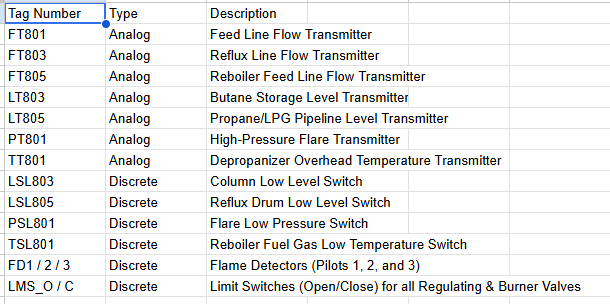
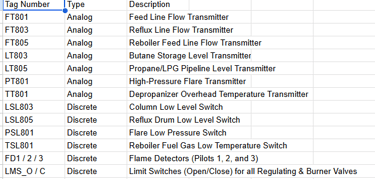
Table 1: Process Input Signals (Analog & Discrete)
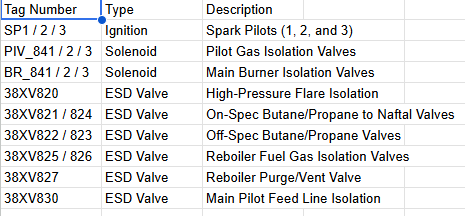
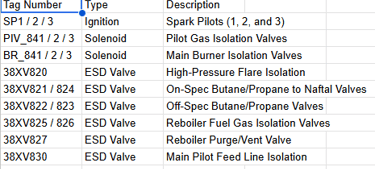
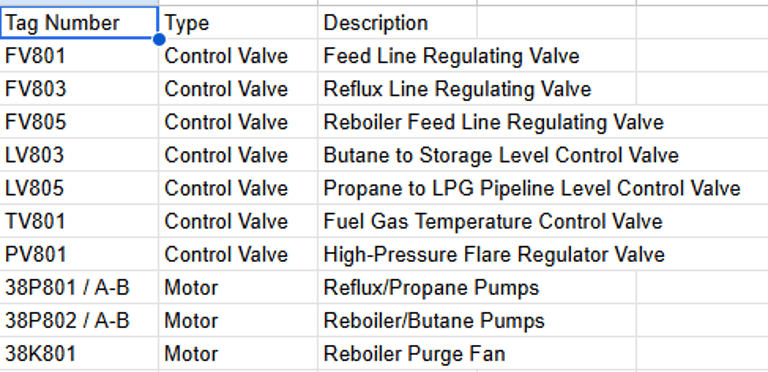
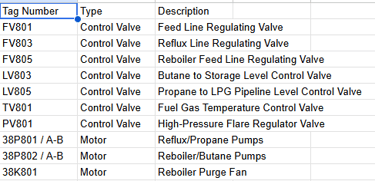
Table 2: Process Control Outputs (CENTUM VP - FCS)
Table 3: Safety & Ignition Outputs (ProSafe-RS - SCS)
System Interconnectivity: The Vnet/IP & HART Architecture
The integrity of the Depropanizer automation relies on a high-speed, redundant communication backbone that bridges the gap between field assets and the control room. I implemented a hybrid digital-analog architecture using HART (Highway Addressable Remote Transducer) protocol for the field layer, allowing 4-20mA process variables to coexist with digital diagnostic data for real-time instrument health monitoring. At the supervisory level, the system utilizes Yokogawa’s proprietary Vnet/IP network—a high-performance, 1 Gbps Ethernet-based protocol specifically designed for mission-critical industrial automation. This ensures millisecond-level synchronization between the Field Control Station (FCS) and the Safety Control Station (SCS), providing the deterministic communication required to execute complex distillation logic and emergency shutdown sequences without latency.